





 Translate
 Accessibility
Willowbrook Park
Willowbrook Park
What was here before?
This site was once the farm of John J. Corson(born.1839), one Staten Island’s earliest settlers. John’s father, Cornelius Corson, was born in Brooklyn and moved with his family to Staten Island. He is listed on two 1680 patents that granted him a substantial amount of land on the island. He served as justice of the peace and captain of the local militia before he died in 1693. His land stayed within the family for several generations. Corson’s Brook, a waterway that ran through the property and this park, has since been filled in.
Willowbrook’s abundant streams later attracted early industry, including sawmills and tool factories by 1760. During the American Revolution, the local Committee of Safety held secret meetings there. Most industries declined by the early 20th century as development lowered water levels. After the Verrazzano-Narrows Bridge opened in 1964, Willowbrook transformed from a rural, marshy area into a suburban neighborhood of one- and two-family homes.
How did this become a park?
The original 105.41 acres of Willowbrook Park were acquired by the City from the Staten Island Water Supply in 1909 and assigned to Parks by the Sinking Fund on November 20, 1929. The second and third parcels of land that make up today’s park were added in 1939 and 1940 as part of land condemned for the Willowbrook Parkway extension, which was never built. More small parcels have been added over the years.
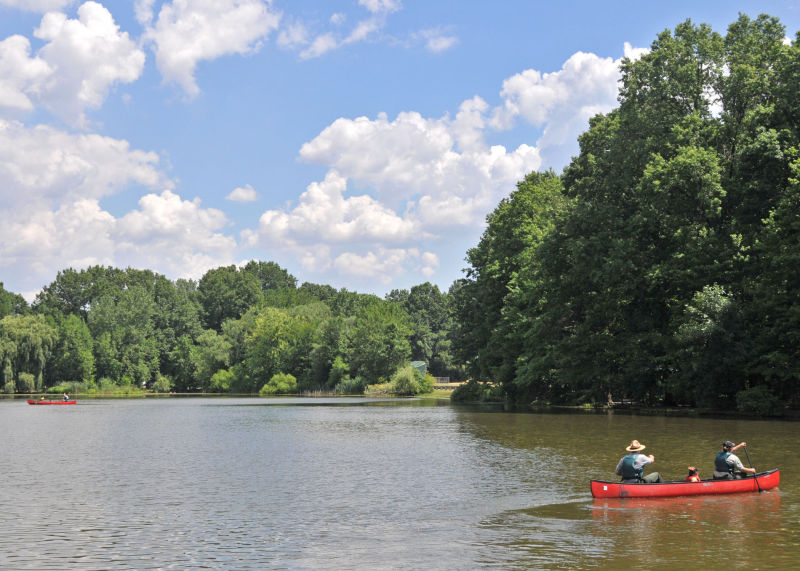
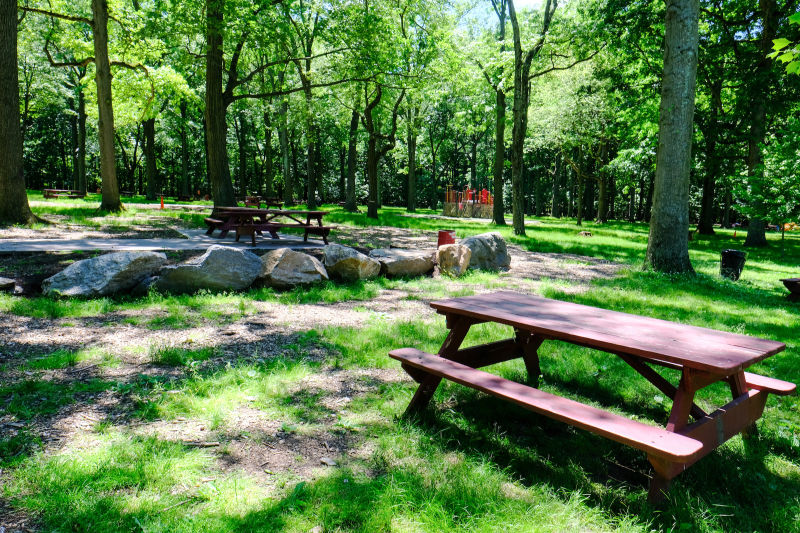
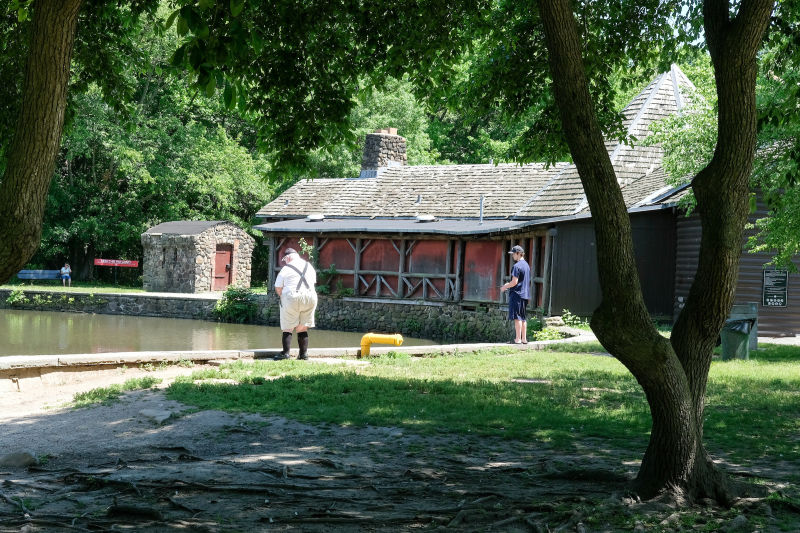
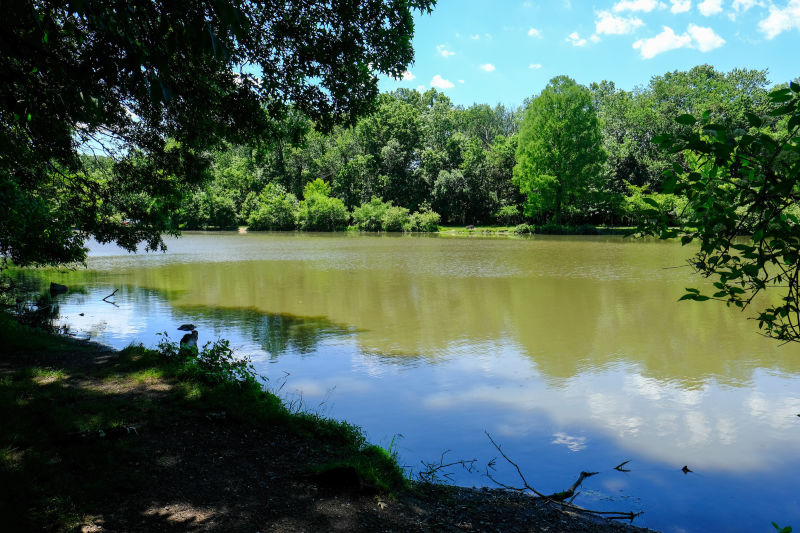
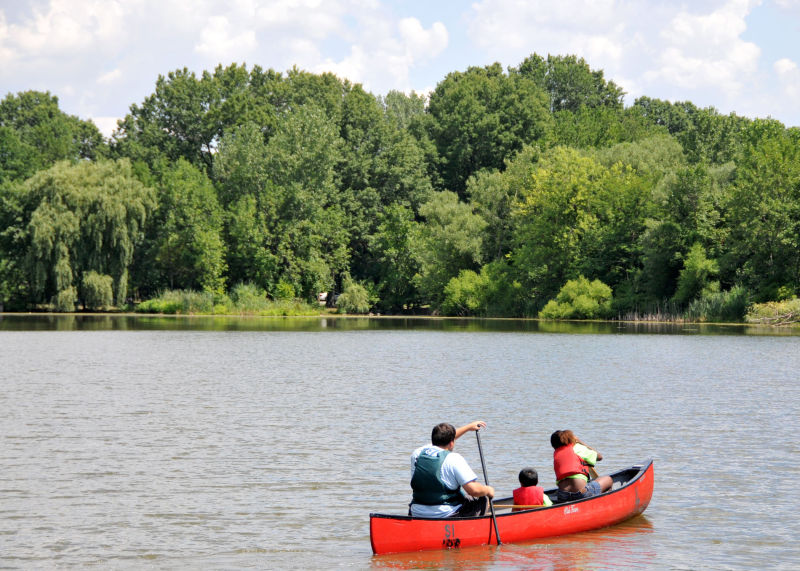
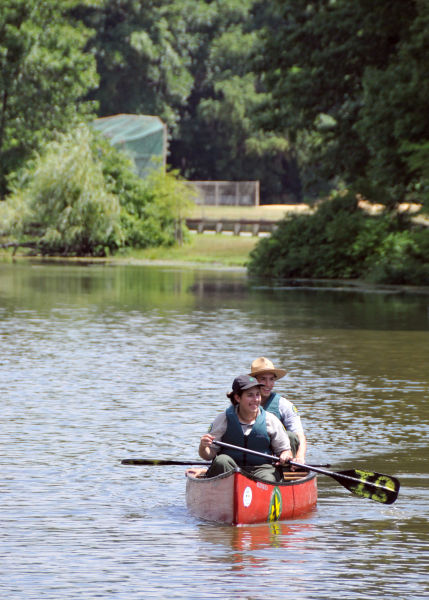
Among the five acres of recreational facilities are ballfields, tennis courts, a boathouse, playgrounds, bird sanctuary and an archery range. Willowbrook Lake, the first man-made pond stocked with fish on Staten Island, was constructed in 1932 by Parks Commissioner John J. O’Rourke (d.1951).
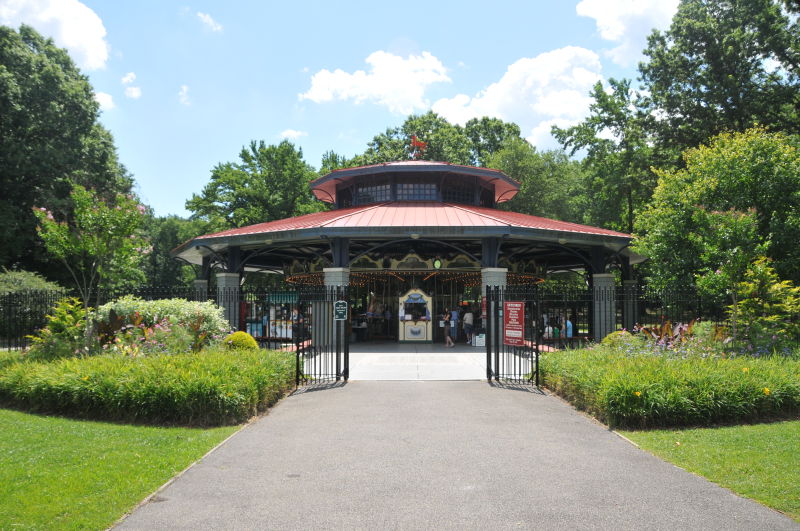
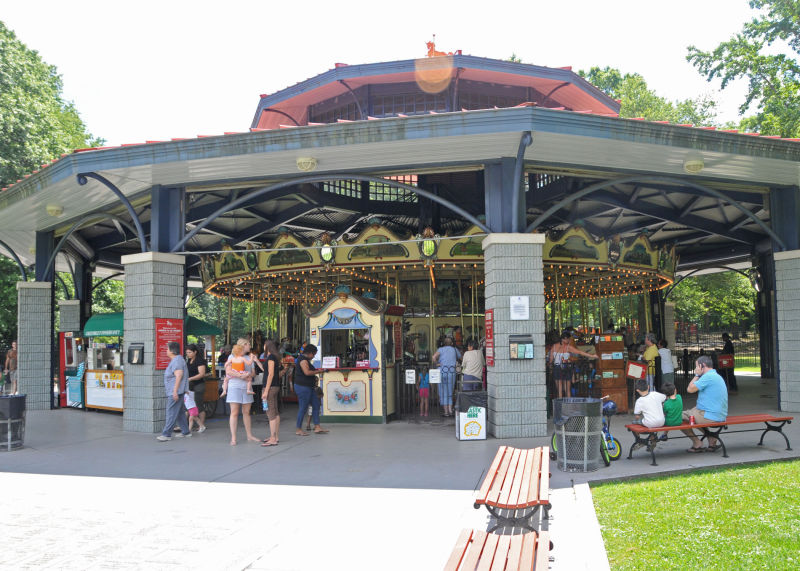
A feature in the park is the Carousel for All Children, though it was built in 1994, it opened to the public in May 1999. The carousel has 51 hand-created animals and panels depicting Staten Island scenes. The carousel is completely accessible to children and adults with disabilities.
In 1989, the park was renovated with six new tennis courts, gravel for the roads, and an asphalt pedestrian walkway providing ADA access to the lake.
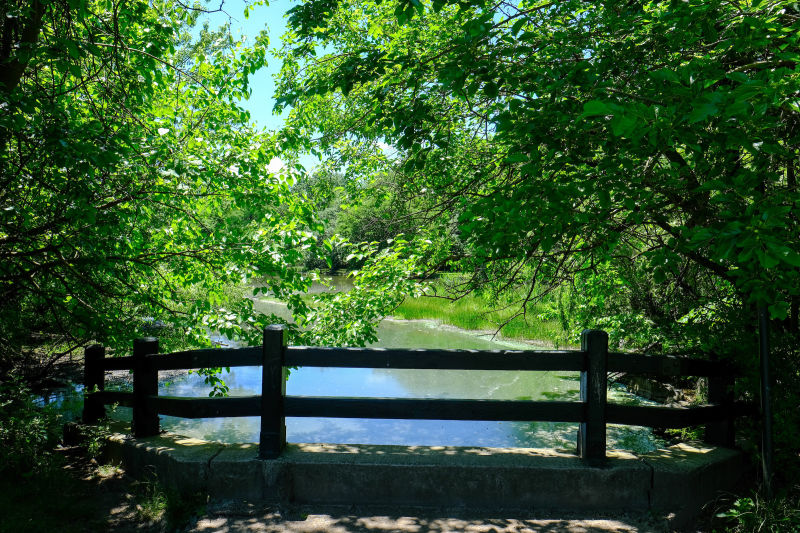
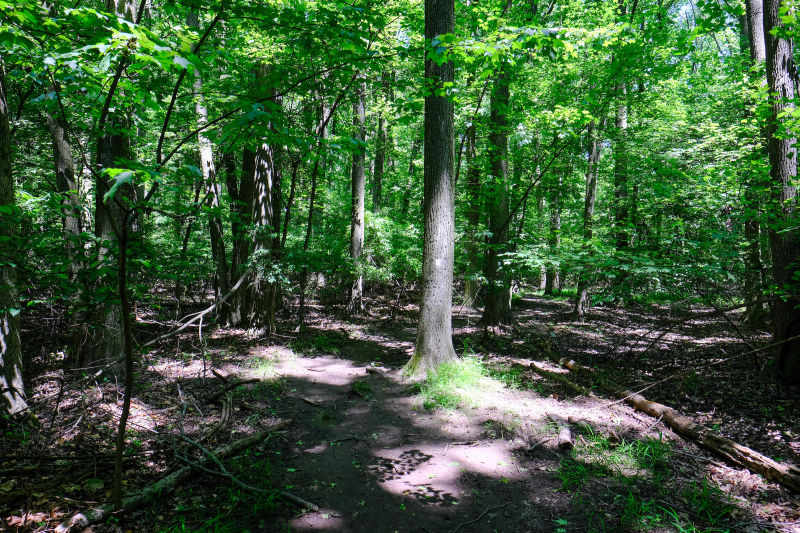
Willowbrook Park is part of the Greenbelt, the largest Parks sub-system. Established in 1984, it links the large parks of Staten Island in a continuous band of green through the center of the island. The natural features include a large tract of lowland forest where tulip trees, willows, and red maples proliferate, swamps and a red maple swamp.
What is this park named for?
The park, nearby road and community get their name from a brook that once flowed on the north end of the property that has since been filled in.
In 1965, Senator Robert F. Kennedy condemned the Willowbrook State School for its “deplorable” conditions. Subsequent exposés by reporter Jane Kurtin and journalist Geraldo Rivera revealed severe neglect and abuse at the overcrowded institution. Public outrage led to a lawsuit by the New York Civil Liberties Union and the resulting Willowbrook Consent Decree, which mandated the school’s closure. Renamed the Staten Island Developmental Center, it operated with improved care until 1987. Today, its restored buildings form part of the College of Staten Island campus.

Check out your park's Vital Signs
Clean & Safe
Green & Resilient
Empowered & Engaged Users
Share your feedback or learn more about how this park is part of a
Vital Park System
%7Cutmcsr%3D(direct)%7Cutmcmd%3D(none)%3B%2B__utmv%3D51178868.-%3B)